
Save energy with these tips for your business
Consider the following tips to help you save on energy costs and stay safe and comfortable.
Promoted Content Inside of a Slideshow
-
Warm Weather Energy Tips
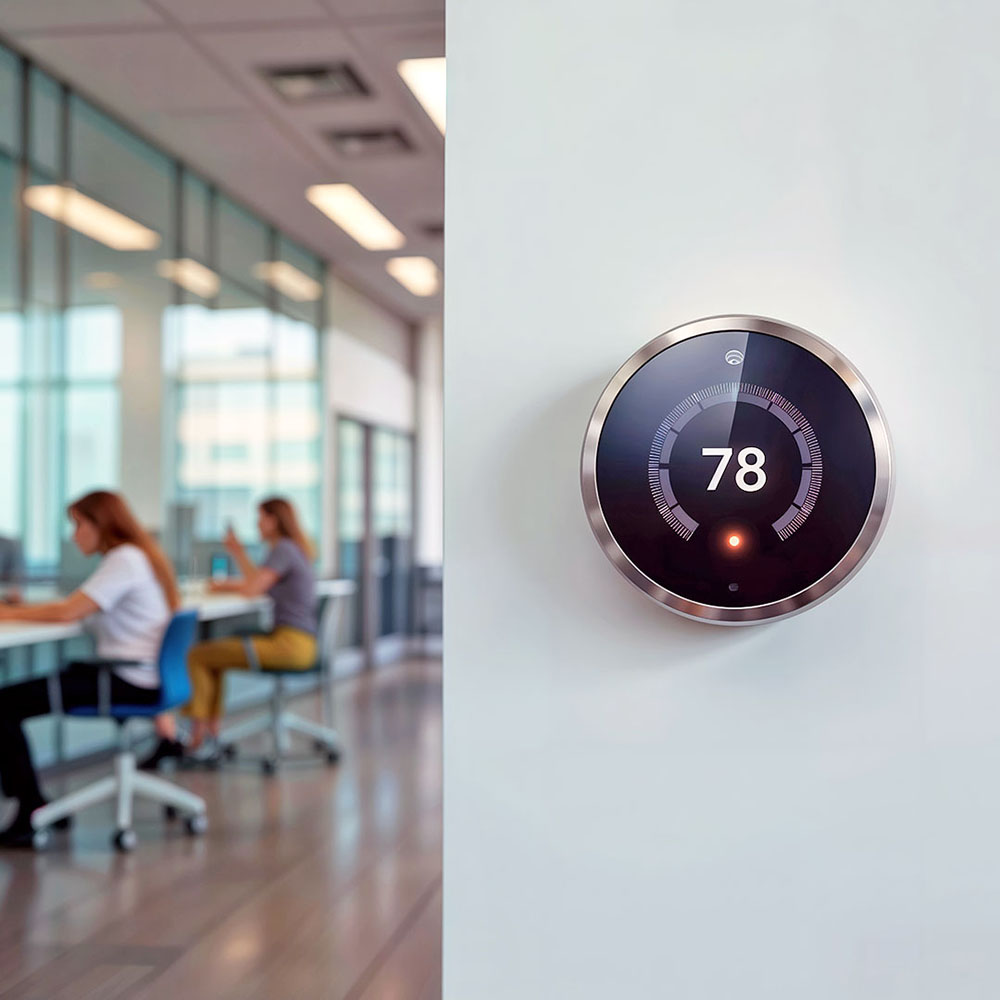
Optimize Cooling with Smart Thermostats
Program thermostats to raise temperatures during non-working hours. Aim for 78°F when occupied and higher when unoccupied.
-
Warm Weather Energy Tips
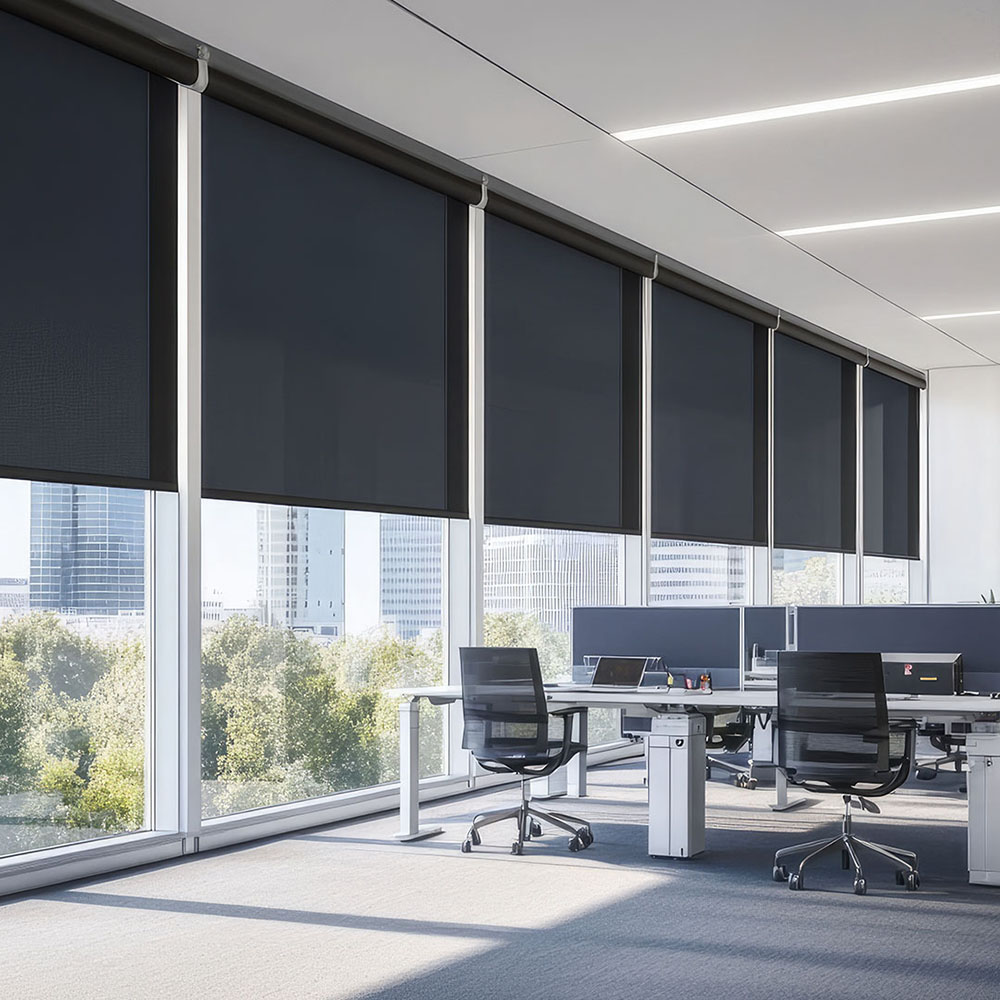
Use Blinds and Shades Wisely
Close blinds or reflective window coverings during peak sunlight hours to reduce indoor heat gain and the need for air conditioning.
-
Warm Weather Energy Tips
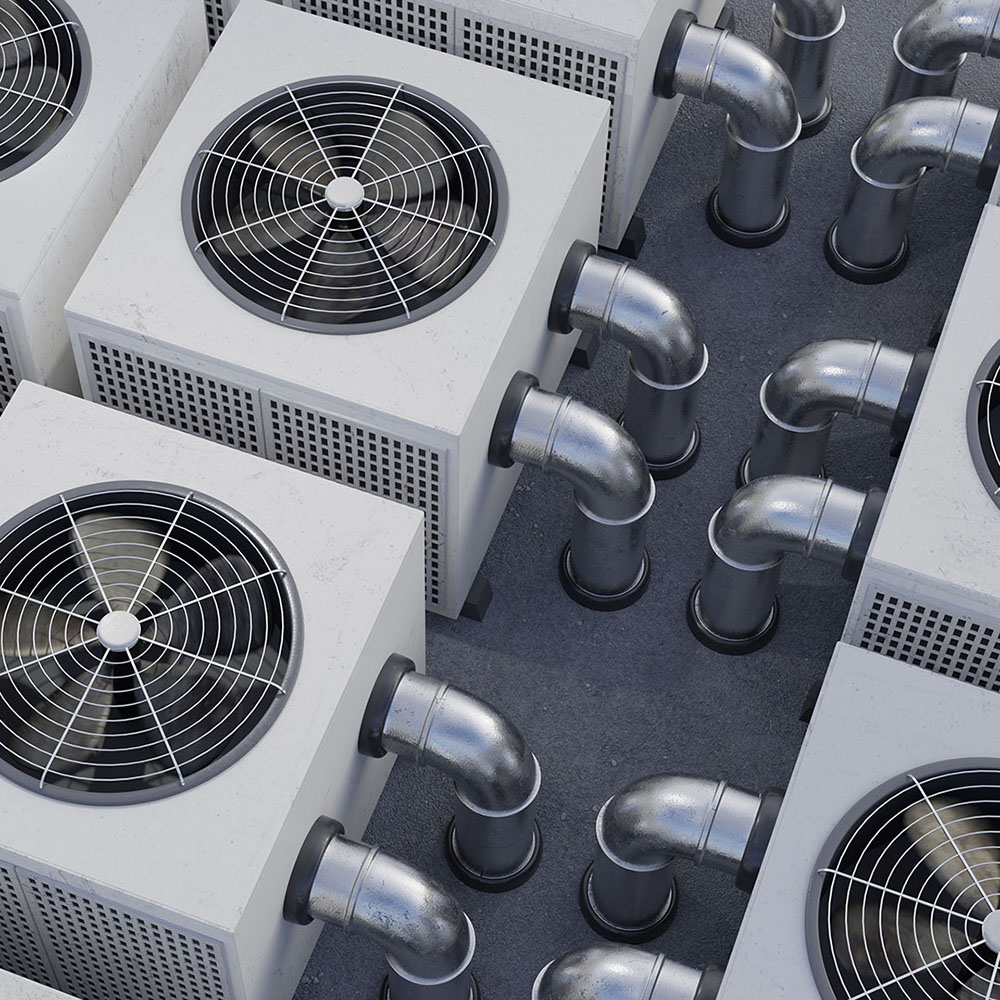
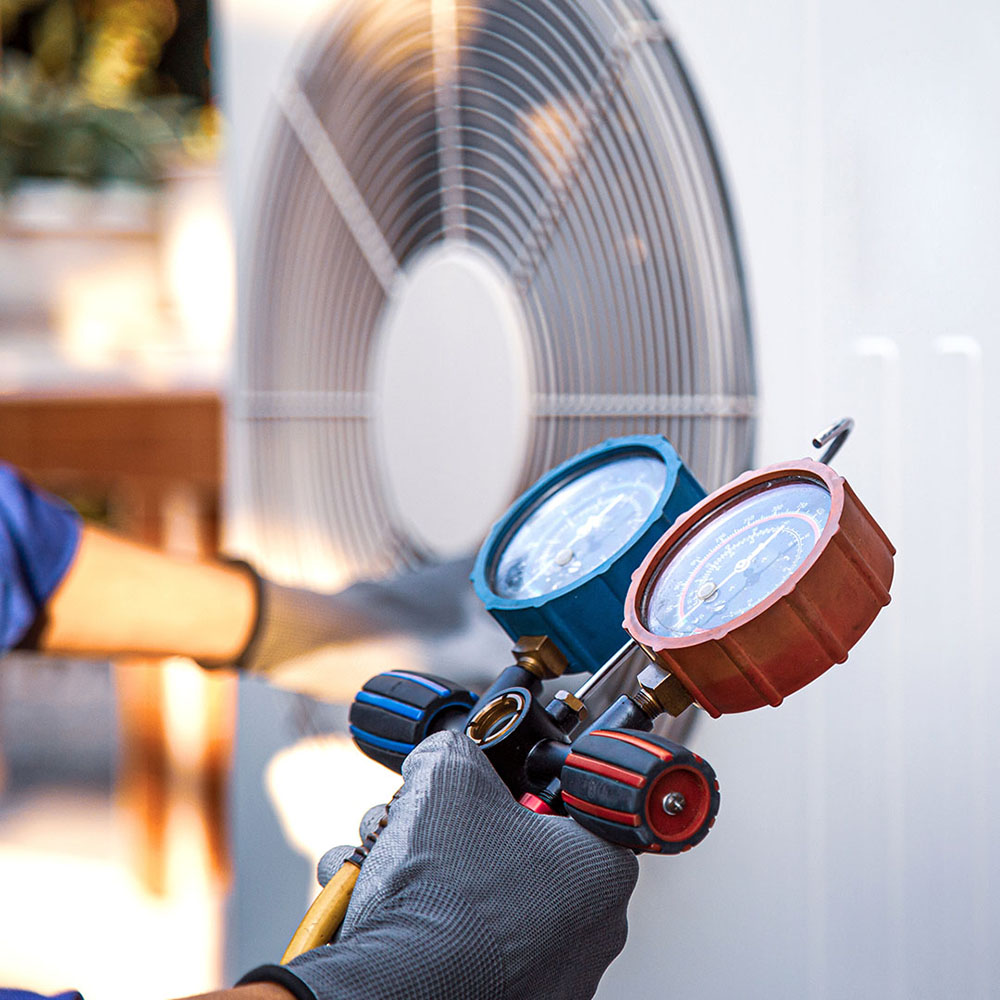
Perform an HVAC Tune-Up
Maintaining HVAC systems in the spring or summer months ensures they run efficiently. This includes cleaning condenser coils and replacing filters.
-
Warm Weather Energy Tips
Switch to LED Lighting
LEDs produce less heat and consume less energy than incandescent bulbs, which can help lower cooling loads and electricity bills.
-
Warm Weather Energy Tips
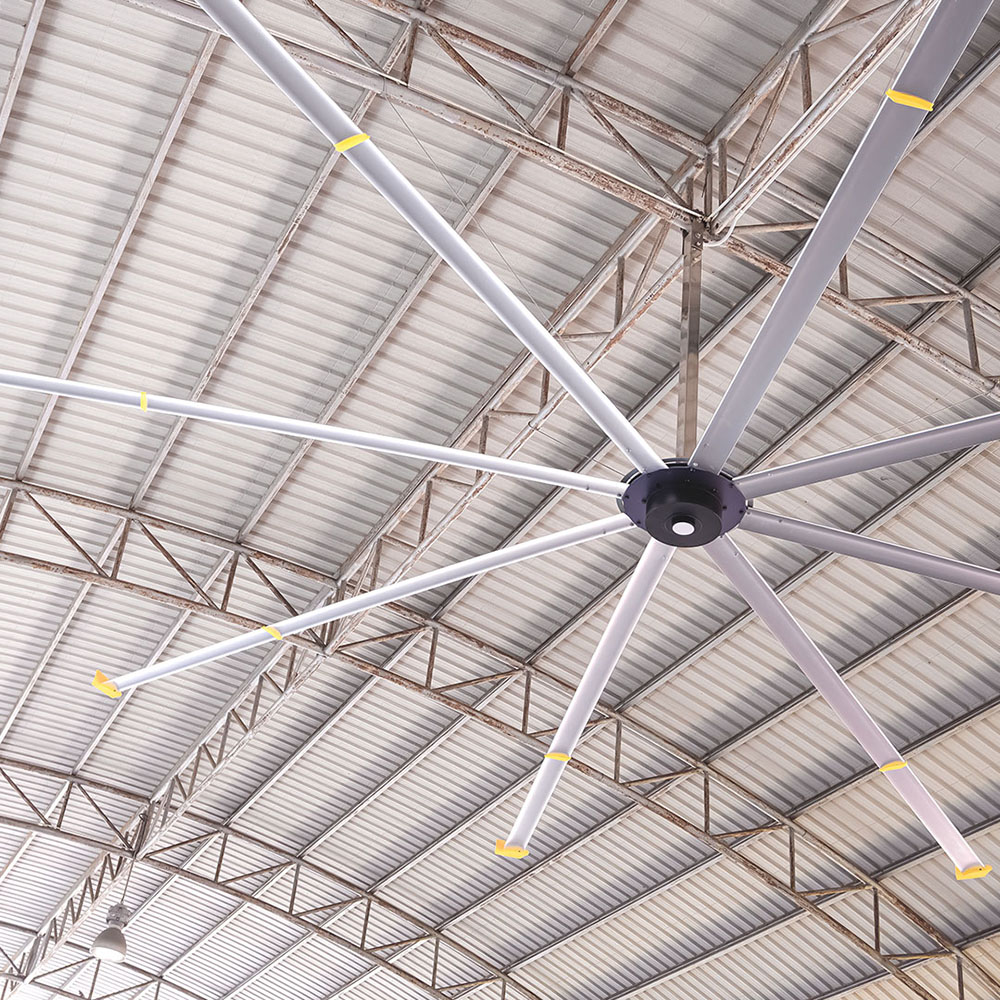
Install Ceiling or Oscillating Fans
Fans help circulate air and make facilities feel cooler. This allows you to set the thermostat a few degrees higher while maintaining optimal comfort.
-
Cold Weather Energy Tips
Close Off Unused Spaces
If certain rooms or zones are rarely used, close doors and vents in those areas to redirect heat where it's needed most, minimizing wasted energy.
-
Cold Weather Energy Tips
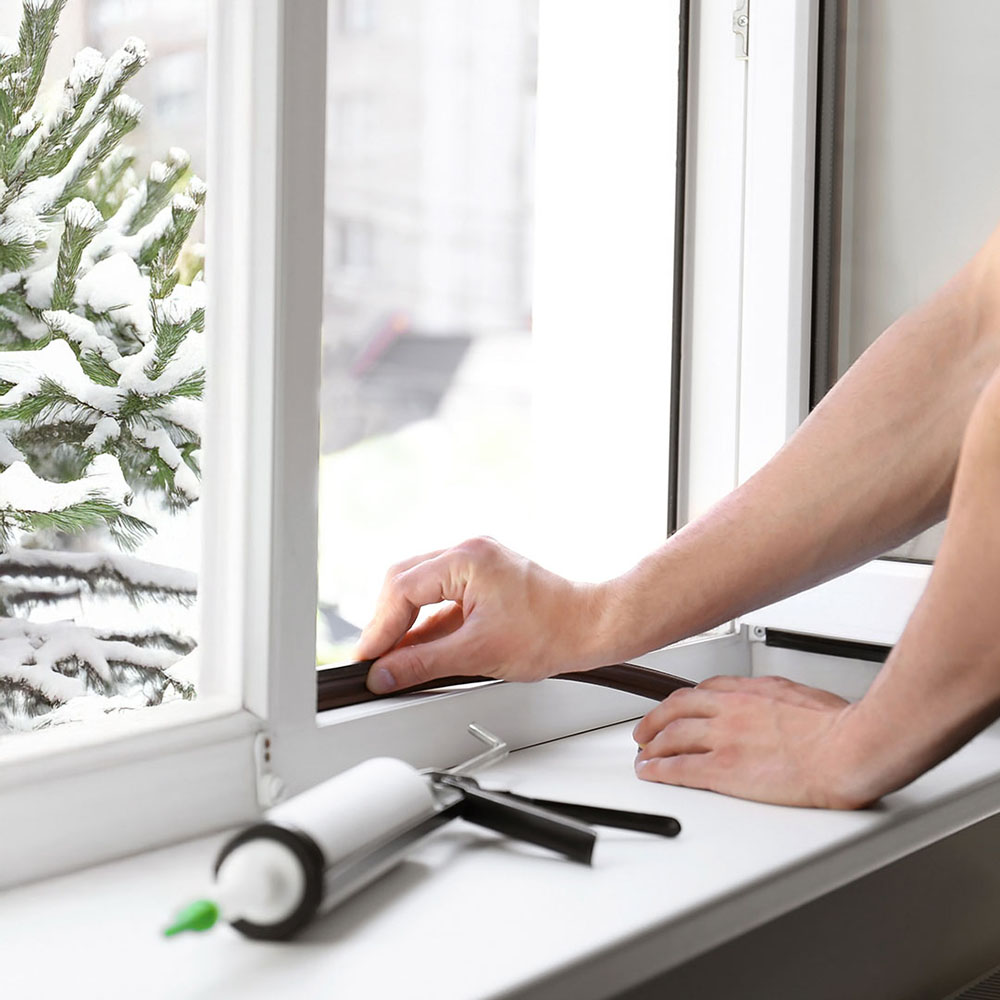
Seal Drafts and Leaks
Inspect doors, windows and ductwork for leaks. Use weatherstripping or caulk to seal gaps and prevent warm air from escaping and cold air from entering.
-
Cold Weather Energy Tips
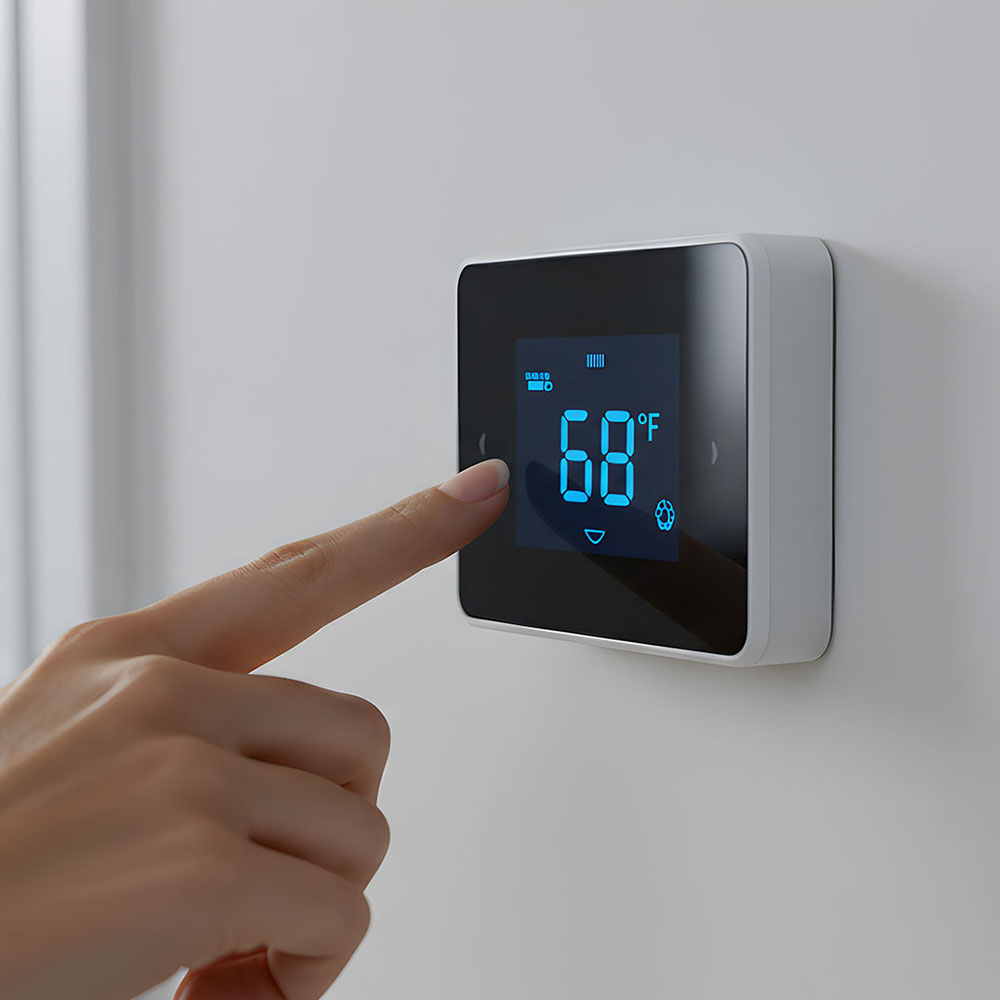
Adjust Thermostat Settings
Encourage staff to bundle up in heavier clothing and set your thermostat 2-4 degrees below what you’re used to. Aim to keep your thermostat at 68°F to help save energy and money.
-
Cold Weather Energy Tips
Service Your Heating System
Schedule regular maintenance for HVAC systems to ensure efficient operation. Clean filters monthly and replace them as needed to keep air flowing properly.
-
Cold Weather Energy Tips
Use Natural Daylight
Open blinds during sunny days to take advantage of natural heat and light. This reduces reliance on both lighting and heating.



Simple steps to start saving
We want to help you manage energy use for your business, office, school, commercial or industrial facility in a way that helps your bottom line as much as possible. Here are simple tips that can result in savings for you and your business.
Lighting
- Install motion sensors to automatically turn off lights when rooms are not in use.
- Replace incandescent light bulbs with LED bulbs.
- Lower light levels where appropriate such as around computer monitors.
- Install LED (light-emitting diode) exit signs.
- Install timers or photocells on outside lights.
- Avoid over lighting areas.
Water Heating/Conservation
- Use hot water wisely. Set water temperature only as hot as needed. (Check your local codes for specifications for your business.)
- Insulate hot water holding tanks and hot and cold water pipes.
- Install faucet aerators and efficient showerheads.
- Find and fix leaks.
- Use plants native to your climate that require minimal watering and possess better pest resistance.
Refrigeration/Freezing
- Perform routine maintenance, such as vacuuming, to remove dust.
- Turn off the lights in walk-in refrigerators/freezers.
- Add strip curtains to refrigerated spaces without doors.
- Defrost regularly.
- Retrofit or replace old refrigerators and freezers.
Equipment
- Turn off office equipment/machines when not in use, wherever possible. (Myth: Equipment lasts longer if it is never turned off.)
- Unplug appliances/equipment or use power strips. Devices draw power even when switched off.
- Maintain your equipment to ensure efficient performance.
- Use energy efficient computers and office equipment.
- Make sure your motors and motor systems are running at optimum efficiency.
- Buy ENERGY STAR® qualified products.
Heating and Cooling
- Make sure your HVAC system is operating efficiently.
- Inspect and clean or replace air filters on a regular basis.
- Repair leaks in system components such as pipes, steam traps or couplings.
- Adjust the thermostat during unoccupied times or install a programmable thermostat.
- Reduce air conditioning hours.
- Ensure radiators, air intake vents, etc., are not obstructed so that air can flow freely.
- Control direct sun through windows depending on season and climate.
Motor Management
- Electric motors make up the largest end use of electricity in the U.S., accounting for approximately 60-70 percent electricity consumption in industrial applications. Energy expenditures can be 10 percent or more of total operating costs.
- Electricity used by industrial motor-driven systems accounts for 25 percent of total electricity sales in the U.S. – representing the largest single category of electricity use in the country.
- Optimizing industrial motor systems by implementing, proven, cost-effective energy-saving techniques can reduce U.S. industrial energy costs.
- Industrial customers benefit from improved control of production processes, reduced waste materials and improved environmental compliance.
Tips/Links
We all know standing with the refrigerator door open lets out the cold. But there are lots of other ways you could be losing money. Find some ideas here.